
Background

Fermentation

There are two main types of fermentation: acetic acid fermentation and lactic acid fermentation.
Acetic acid fermentation is the one you are most likely familiar with. Acetic acid fermentation is
what creates vinegar, kombucha, and pickles. Vinegar is essentially watered down acetic acid.

Acetic Acid Fermentation

The simplest way to summarize acetic acid fermentation is that yeast turns sugar into alcohol
and acetic acid bacteria turn alcohol into vinegar.
Acetic acid bacteria oxidize alcohols or sugars incompletely, leading to the accumulation of acetic acid. As a byproduct of inefficiently
converting alcohol into vinegar, some of the alcohol and sugar is converted into cellulose. The
pathway for cellulose synthesis are as follows Glucose (glucokinase) → Glucose-6-Phosphate
(phosphoglucomutase) →Glucose-1-Phosphate (UDP-glucose pyrophosphorylase) →
UDP-Glucose (cellulose synthase) → Cellulose.

Not all acetic acid bacteria create cellulose but those that do can be assisted by adding more
sugar or using what is known to be the best medium: the Hestrin-Schramm medium.
Hestrin-Schramm Medium contains sugar (glucose, sucrose, or fructose all work fine,) peptone
(from meat or soy both work,) yeast extract (not yeast,) disodium phosphate, and citric acid. The
Hestrin-Schramm medium contains nitrogen that is necessary for gene duplication and,
therefore, for cell division.
‍
Acetic acid bacteria (AAB) are gram-negative, strictly aerobic bacteria, which are classified into
10 genera, although only three are commonly associated with vinegar production: Acetobacter,
Gluconobacter, and Gluconacetobacter. All have the ability to oxidize ethanol to acetic acid,
though Acetobacter and Gluconacetobacter can oxidize acetic acid (and lactic acid) further to
CO2 and H2O.

Lactic Acid Fermentation

Lactic acid fermentation DOES NOT create cellulose. As the name suggests, lactic acid fermentation creates lactic acid. Lactic acid fermentation is a metabolic process by which glucose or other six-carbon sugars (also, disaccharides of six-carbon sugars, e.g. sucrose or lactose) are converted into cellular energy and the metabolite lactate, which is lactic acid in solution. It is an anaerobic fermentation reaction that occurs in some bacteria and animal cells, such as muscle cells. The most commercially important genus of lactic acid-fermenting bacteria is Lactobacillus, though other bacteria and even yeast are sometimes used.

Lactic acid bacteria already exists as part of the natural flora in most vegetables. Lettuce and cabbage were examined to determine the types of lactic acid bacteria that exist in the leaves. Two of the most common applications of lactic acid fermentation are in the production of yogurt and sauerkraut.

During the 1990s, the lactic acid hypothesis was created to explain why people experienced burning or muscle cramps that occurred during and after intense exercise. A lack of oxygen inside of the muscle cells resulted in lactic acid fermentation. This is due to the cell needing oxygen as a terminal electron acceptor to produce ATP. Without oxygen present, the cells needed to create energy through a different method. Lactic acid, or lactate and H+ were created as a byproduct. This buildup of lactic acid causes a burning sensation inside of the muscle cells, causing leg cramps and discomfort.

Research from 2006 suggested that acidosis isn't the main cause of muscle cramps, but instead is due to a lack of potassium inside the muscles, leading to contractions of the muscles under high stress. Another change to the lactic acid hypothesis is that when sodium lactate is inside of the body, there is a higher period of exhaustion in the host after a period of exercise. Lactic acid fermentation is important to muscle cell physiology. When muscle cells are undergoing intense activity, like sprinting, they need energy quickly.

The vaginal environment is heavily influenced by lactic acid producing bacteria. Lactobacilli species that live in the vaginal canal assist in pH control. If the pH in the vagina becomes too basic, more lactic acid will be produced to lower the pH back to a more acidic level. Lactic acid producing bacteria also act as a protective barrier against possible pathogens such as bacterial vaginosis and vaginitis species, different fungi, and protozoa through the production of hydrogen peroxide, and antibacterial compounds.

Gluconic Acid Fermentation

As the name suggests, gluconic acid fermentation creates gluconic acid. Gluconic acid is a mild organic acid derived from glucose by a simple oxidation reac- tion. The reaction is facilitated by the enzyme glucose oxidase (fungi) and glucose de- hydrogenase (bacteria such as Gluconobacter).
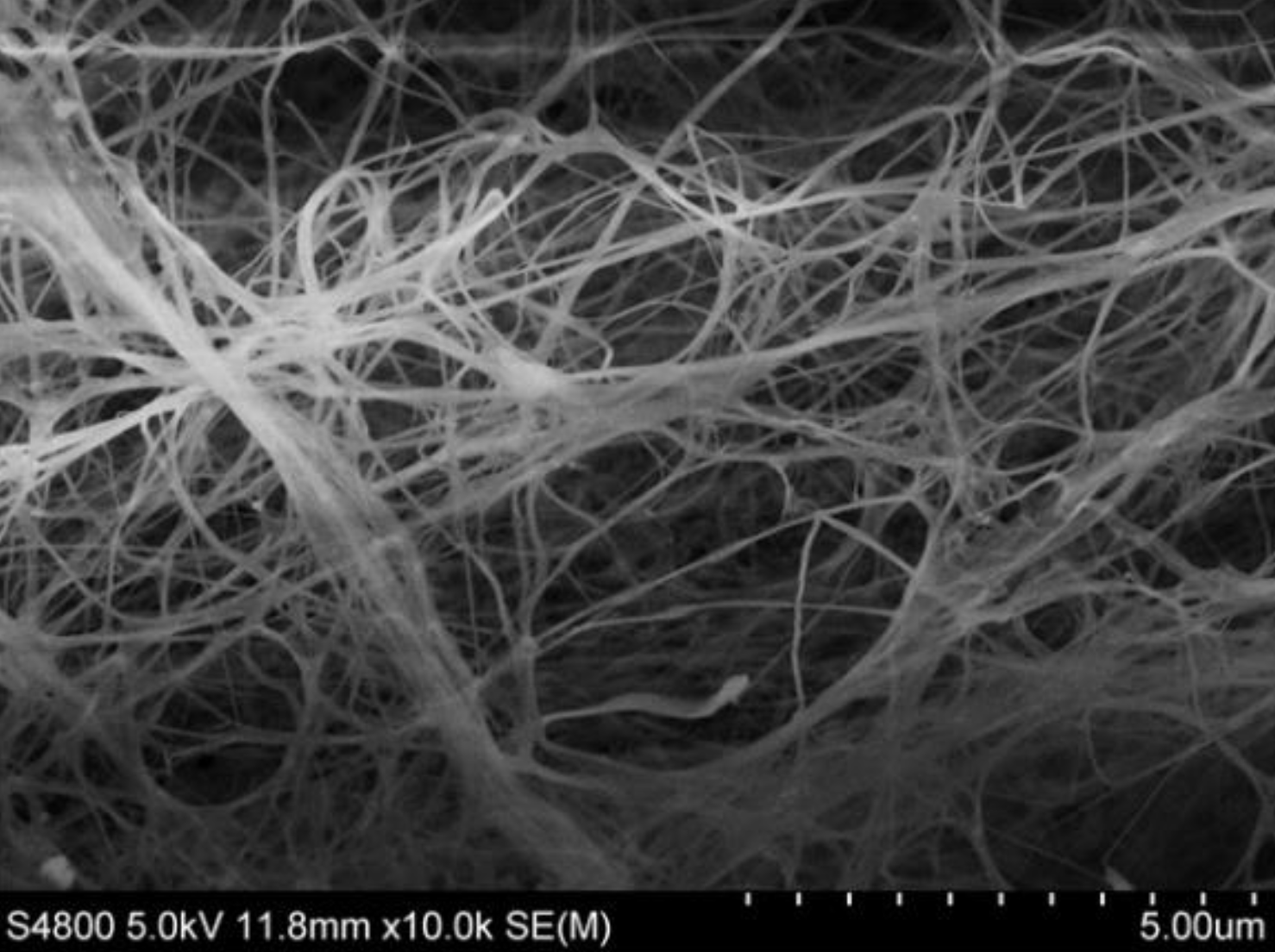
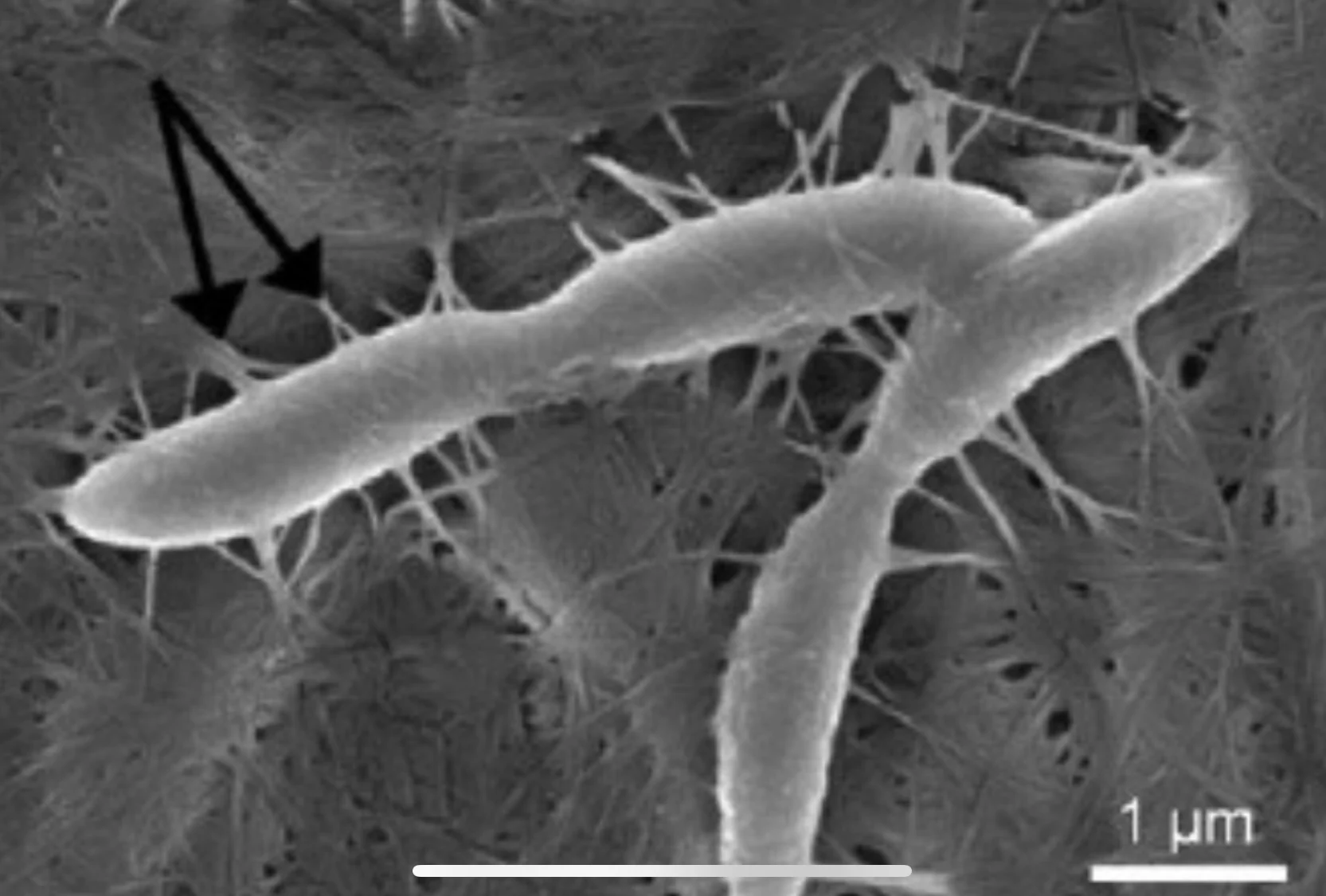
‍

Cellulose Producing Bacteria

In 1886, Adrian John Brown, a British Professor of Malting and Brewing at the University of  Birmingham was the first to show that strains of Acetobacter produced a pellicle on the surface of a liquid medium. These bacteria create cellulose as a byproduct of acetic acid fermentation of alcohol into vinegar. Sugar is converted into long chains of polysaccharides called polymers.

Since the discovery of acetobacter, many species of bacteria outside of the acetic acid producing bacteria, have shown to produce cellulose. Genomic sequencing shows the presence of cellulose synthesis genes exist in many, often unsuspected, bacterial species such as Salmonella, Escherichia coli, and several species of cyanobacteria. Genomic sequencing indicates that the ability to synthesize cellulose is much more widespread than was previously thought. This sequencing also showed many bacteria have the gene or parts of the gene but are not used. Many of these same genes are found to be involved in the creation of plant cellulose.

The looming question persists: why do these bacteria produce cellulose? It is not known for sure but some hypothesize that the cellulose is produced to protect the bacteria from UV rays. In one study, when Acetobacter xylinum was treated at intervals of UV mutagenesis, the treatment times of 3 and 4 minutes formed more compact bacterial cellulose.

Acetobacter genus

Acetobacter is the most cellulose productive of all the bacteria genera. It’s member Acetobacter Xylinum (Komagataeibacter xylinus) the king of cellulose production and is the most common found in kombucha tea. Many of its members were re-categorized into a new genus coined in 2012 but are still included here for simplification. Acetobacter bacteria convert alcohol into acetic acid during the fermentation process. Acetic acid is essentially non-diluted vinegar. When Kombucha teas that are on the market are tested, any number of species appear from this genus.‍

Komagataeibacter xylinus

‍Discovery: 1886 by Adrian John Brown, a British Professor of Malting and Brewing at the University of Birmingham and a pioneer in the study of enzyme kinetics. This bacteria is the king of cellulose. It is the type species of the new genus Komagataeibacter. Komagataeibacter xylinus is found in soil and is commonly found on rotting fruit. Komagataeibacter xylinus synthesizes and secretes cellulose as part of its metabolism of glucose. was the most isolated bacteria from different Kombucha fermentation variants in an experiment.(Previously known as Acetobacter xylinum and Gluconacetobacter xylinus)

Acetobacter aceti‍

Discovery: Louis Pasteur proved it to be the cause of conversion of ethanol to acetic acid in 1864.
Acetobacter aceti benign microorganism which is present everywhere in the environment, existing in alcoholic ecological niches which include flowers, fruits, and honey bees, as well as in water and soil. It lives wherever sugar fermentation occurs

Other cellulose producing species from the genus‍

  • Komagataeibacter hansenii (Previously known as Gluconacetobacter hansenii)
  • Acetobacter pasteurianum
  • Komagataeibacter cocois
  • Acetobacter acetigenum

Rhizobium genus

Rhizobium leguminosarum

Rhizobium leguminosarum is a bacterium which lives in a mutualistic symbiotic relationship with legumes, and has the ability to fix free nitrogen from the air. The bacteria creates a biofilm that has not been experimented with in applied sciences

Sarcina genus

Sarcina ventriculi

Sarcina Ventriculi has been the cause of rare stomach diseases. Sarcina Ventriculi is found on the surface of cereal seeds, in soil, mud, and in the stomachs of humans, rabbits, and guinea pigs. A 1964 study showed that Sarcina ventriculi can produce cellulose but little research has been produced since.

Agrobacterium genus

Agrobacterium radiobacter (Previously Agrobacterium tumefaciens)

Agrobacterium radiobacter is the causal agent of crown gall disease in plants. During the attachment of Agrobacterium tumefaciens to plant tissue culture cells, the bacteria synthesize cellulose fibrils. No known studies have been conducted in practical applications of this cellulose.

‍

Kombucha as cultural zeitgeist

History

There are many legends surrounding the invention of kombucha. Some say kombucha originated in Northeast China (historically referred to as Manchuria) around 220 B.C. Others say its name is reportedly derived from Dr. Kombu, a Korean physician who brought the fermented tea to Japan around 400AD as a curative for Emperor Inkyo. Thus the combination of Kombu and the Korean word for tea “cha.” Another theory is that the name comes from an English mistranslation word kombucha to mean fermented tea. English speakers may have heard a Japanese word pronounced “kon-bu-cha” when in Japan, and instead of a direct translation as kelp tea, mistook it for fermented tea. Fermented tea in Japanese is actually called kōcha kinoko.

Regardless of its specific origin, fermented tea was known to be traded along the silk road between many Asian cultures and eventually Russian cultures. This fermented tea was not known in the rest of Europe until early 20th century, most notably appearing in Russia (as "Kambucha") and Germany (as "Kombuchaschwamm"). Despite a dip in international popularity during WWII due to the shortage of tea and sugar supplies, kombucha regained popularity following a 1960s study in Switzerland comparing its health benefits to those of yogurt. 

Kombucha most meaningfully gained popularity in domestic markets in the 1990s. Sandor Katz, a leading fermentation expert and author of The Art of Fermentation, noted that this initial popularity was due in part to consumers who believed that the beverage was a powerful health aid for serious medical conditions. Katz explained, "I first tried kombucha around 1994, when a friend of mine with AIDS started making and drinking it as a health practice. It was touted as a general immune stimulant, though claims of kombucha's benefits have been extraordinarily varied and broad."

Initially kombucha in the United States was distributed solely by grassroots efforts wherein enthusiasts would share their SCOBYs (a symbiotic culture of bacteria and yeast disc) with others so that they could homebrew the tea themselves. Many attribute the formal start of the domestic kombucha industry to GT Dave who founded GT's Kombucha, which has continued to be the leading domestic kombucha brand. GT's Kombucha began in 1995 as a family business that initially sold to local health stores before gaining widespread popularity.

Kombucha popularity has skyrocketed in the past decade. The kombucha category grew from $1 million in sales in 2014 to $1.8 billion in sales in 2019. There are now hundreds of brands of Kombucha both national and locally offering many different flavors and bacteria strains and can be bought at just about any major supermarket.

So, is it good for you?

The short answer is, no. Purported kombucha health benefits are based on the idea of probiotics. Probiotics are the “good bacteria” that exist in our bodies’ microbiomes. The bacteria that naturally ferment alcohol into vinegar AKA the ones present in Kombucha are not probiotic bacteria. They are in the genus acetobacter. Some kombucha makers add the probiotic strain lactobacillus to their formulas. There has been very little evidence that oral probiotics can survive the human body’s stomach acid and survive long enough to grow in the intestines. So even if “good bacteria” are added to Kombucha, they most likely will die in the stomach acid if they manage to live in the drink long enough. There is some scientific research around how to genetically engineer probiotic bacteria to survive the stomach acid. There is also some emerging research that suggests fermented foods are generally beneficial to health.

So, is it bad for you?

The short answer is, no. If you like it, drink it! If you feel it settles your stomach, by all means keep drinking it. In reasonable amounts, it is not harmful. There have been one or two cases of people brewing their own kombucha for so long that it became so acidic that when they drank it they experienced hyperacidity to the point of hospitalization. Most reasonable people would not enjoy drinking anything that acidic.

So, does it taste good?

Yes! To some. Kombucha is known to be a pretty polarizing taste.